





Dry construction market 2016-2024
Contents |
[edit] Introduction
Dry construction is a specialist method of interior construction that uses industrially prefabricated construction systems. This system consists of two basic construction elements; lining board and load-bearing construction, that together form a functional, static, unit. It does not require any additional drying time.
Plywood and gypsum board are used in dry constructions instead of concrete and bricks. This offers moisture resistance, reduction in construction time, fire safety, thermal and sound insulation, and ease of the installation.
[edit] Growth factors
The market for dry construction will show escalating growth in the near future. Rapid industrialisation, urbanisation, and the increasing adoption of lightweight and sustainable construction practices are the major factors driving this growth. However, the waste generated by dry construction and its high cost are restraining factors.
The global dry construction market is classified by application, material, type, and system.
- On the basis of application, the market is segmented into healthcare, residential, hospitality, non-residential, commercial, and others.
- The material segment is segregated into plastic, plaster wood, carpet, metals, glass, and wood.
- Based on the market is segmented into boarding and supporting framework.
- The system segment is divided into partitions, walls, flooring, door systems, ceilings, and windows.
[edit] Regional analysis
Asia Pacific is the leading region for dry construction due to rapid industrialisation, urbanisation, increasing population, income and rising spending power.
Dry construction is expanding in developing countries such as Indonesia, China, and India. China has the largest market share owing to new constructional projects and high population growth. North America and European regions are following the same trend.
[edit] Competitive players
The major market players in the global dry construction market include Panel Rey, Etex Group, Saint Gobain, Pabco Gypsum, Armstrong World Industries, Knauf, CSR Ltd., Xella Group, Fletcher Building, and USG Boral.
[edit] Related articles on Designing Buildings Wiki
Featured articles
Check out some of the best features and news from Designing Buildings as well as key stories from around the web.
ECA's public affairs priorities
Member consultation opens to shape priorities for 2027 to 2030.

Dutyholder responsibilities from 1 July 2026.
Where performance meets practice

The Building Envelope Stage at UKCW Birmingham.
CIAT publishes briefing on planning reforms.
Leaders in Learning for Practice Network
Call for conservation leaders in learning to register interest in new network.
The importance of early engagement
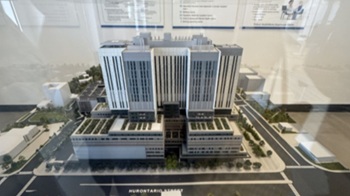
Construction lessons from the Trillium HealthWorks Experience Centre.
Mayors are to be given planning call in powers
Mayors across England will be able to make the most important planning decisions.
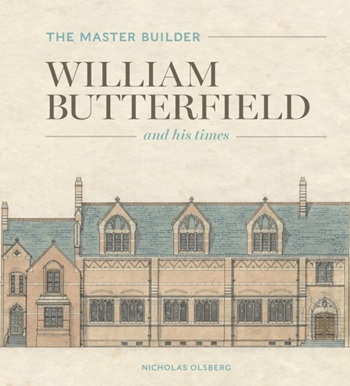
The Master Builder: William Butterfield and his times. Book review.

Why construction can't afford to ignore the skills gap.
Building Safety Regulator, 19 August

Gill Kernick appointed Independent Chair of Residents’ Panel.
Connecting knowledge, technology and conservation
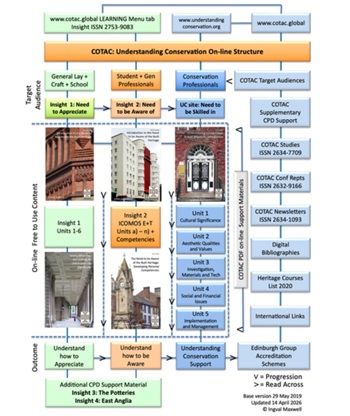
Building competence for the future of built heritage.
Building Regulations and Building Safety Act
CIOB publishes free advice for non-domestic clients.
Comments
With the advancement in all sectors, the construction filed also has its own advancement. Dry construction is more popular among people and now a days, they are opting for eco-friendly house, which will increase demand for dry construction in future.